






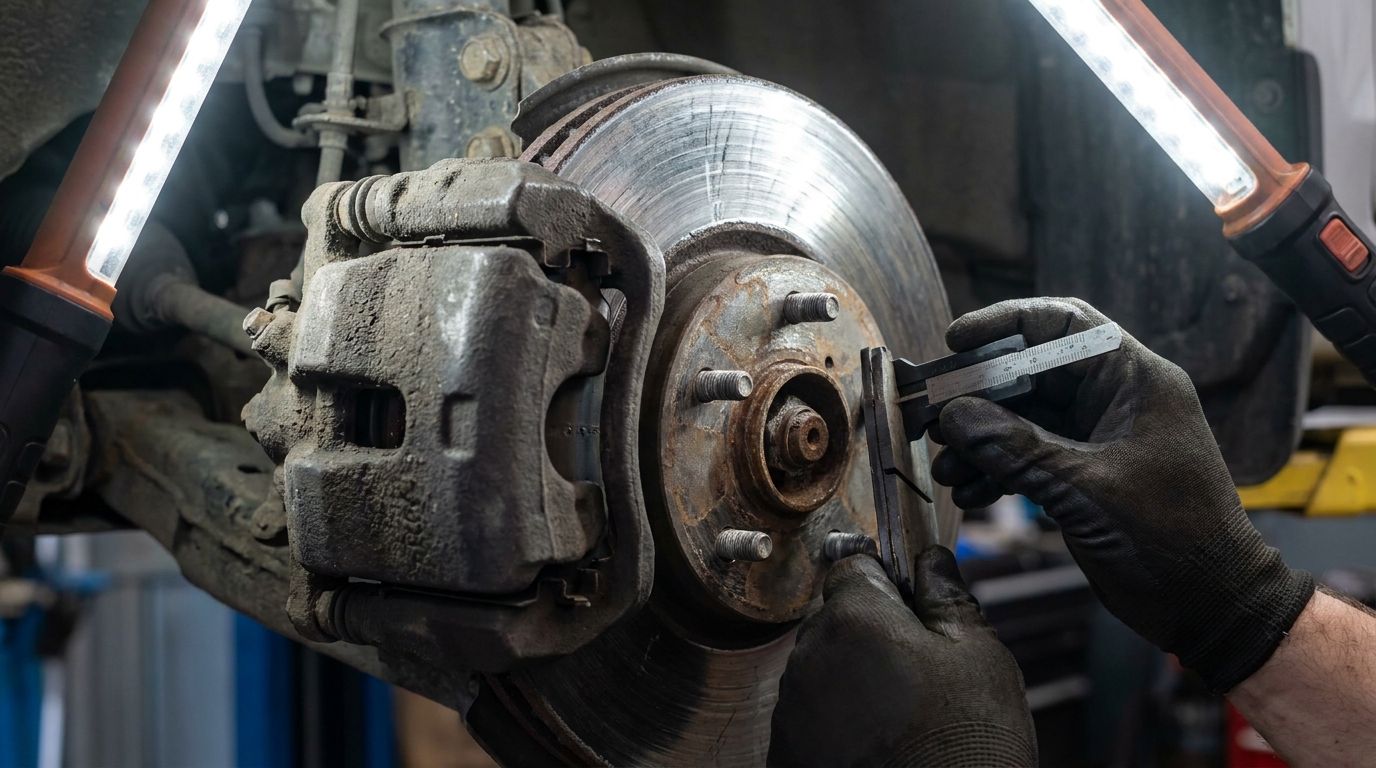
Key Takeaways
- Certified technicians recommend a full brake system inspection at least once a year, checking lining wear, rotor thickness, fluid level, and hoses.
- Squealing is typically a built-in wear indicator; grinding means metal-to-metal contact and calls for prompt service.
- Ram 1500 and heavy-duty Ram trucks hauling trailers or heavy loads wear front pads and rotors faster than commuter-only driving.
- Reed Jeep RAM of St. Joseph provides free brake inspections and written estimates before any work begins.
- Mopar's brake pad installation offer takes $40 off per axle, up to $80 per vehicle, through December 31, 2026.
Whether you drive a family-hauling Jeep Grand Cherokee across St. Joseph or a Ram 2500 pulling equipment up US-36, brake wear is one of the first systems to show the strain of North Missouri driving. Reed Jeep RAM of St. Joseph fields brake questions from first-time Jeep owners and heavy-duty work truck operators alike, and the answers below cover inspection timing, pad life, warning signs, rotor service, and fluid care.
Brakes are a safety system, not a maintenance item to defer. Catching wear early through a scheduled inspection near St. Joseph, MO almost always costs less than waiting for a warning light or a grinding noise to force the issue.
Why Does Brake Wear Hit Harder in St. Joseph and North Missouri?
Local driving conditions and vehicle type both accelerate brake wear faster than a national average, because stop-and-go city trips work pads harder than open highway miles, and Midwest winters add corrosion on top of normal friction wear.
How Winter Weather Affects Brake Components
Midwest winter freezing and the road salt used on area streets accelerate corrosion on rotors, calipers, and brake hardware, a factor that matters more here than in milder climates. Once temperatures warm up, that corrosion is often what a technician finds first during a routine inspection.
Stop-and-Go City Driving vs. I-29 and US-36 Highway Miles
Frequent braking on St. Joseph city streets wears pads faster than steady highway cruising on I-29 or US-36, since each stop converts more kinetic energy into heat and friction at the pad-rotor interface.
How Ram Trucks, Jeeps, and Heavy Loads Change Brake Wear
A Ram 1500 or Ram 2500 owner towing a trailer, hauling equipment, or plowing snow puts far more stress on front brakes than a daily commuter driving a Jeep Compass. Heavier loads and extended downhill braking generate more heat, which is why Mopar recommends downshifting instead of riding the brakes on long grades and staying current on inspections when regularly towing or hauling.
How Often Should I Have My Brakes Inspected?
Have your brakes fully inspected at least once a year, or sooner if you notice noise, vibration, or a soft pedal. Certified technicians recommend an annual check that covers lining wear, fluid level, rotor thickness, hoses, and a test drive.
What Is the Typical Lifespan of Brake Pads?
Brake pad life varies widely with driving style and vehicle weight, so rather than a fixed mileage number, watch for the wear indicators built into most pads. A light squeal is designed to alert you before the pad material is gone.
What a Thorough Brake Inspection Should Include
A complete inspection checks brake lining thickness, fluid condition, rotor surface and thickness, hose and line condition, dash and brake warning lights, and a test drive to confirm proper pedal feel and stopping performance.
Free Inspections and Written Estimates at Reed Jeep RAM of St. Joseph
Reed Jeep RAM of St. Joseph performs a free brake inspection at every service visit and provides a written estimate before any repair work begins, using Mopar-recommended parts and procedures for Jeep, RAM, Dodge, and Chrysler vehicles. Drivers throughout St. Joseph, Platte City, Savannah, and North Missouri can schedule a brake inspection online rather than wait for a warning light.
What Are the Warning Signs That My Brakes Need Service?
Squealing, grinding, a low or soft pedal, vibration while braking, brake grabbing, and an illuminated dash warning light are all signs it's time for service. The sooner any of these is checked, the less likely it becomes a costly repair.
What Causes Brake Squealing and When Is It Urgent?
Squealing usually comes from a built-in metal wear indicator tab making contact with the rotor, signaling that pads are getting thin. It's a heads-up, not an emergency, but it should be scheduled promptly.
Squealing vs. Grinding: Wear Indicator or Urgent Damage
Grinding is different: it typically means the pad material is gone and metal is contacting metal, which is considered urgent. Waiting at this stage can turn an affordable pad job into a more expensive rotor or caliper repair.
Soft Pedal, Vibration, and Dash Warning Lights
A pedal that feels lower than usual, a shudder felt through the pedal, or a lit brake warning light each point to a specific issue, from air in the lines to a warped rotor, that a technician can diagnose with a road test and visual inspection.
When Do Brake Rotors Need Resurfacing Versus Replacement?
Rotors can be resurfaced when they're still above minimum thickness and only lightly scored. They need replacement once they're worn below spec, cracked, or too thin to safely machine.
When Resurfacing Is Enough
If a rotor has minor surface scoring but plenty of material remaining, resurfacing restores a smooth braking surface at a lower cost than new rotors.
When Replacement Is the Safer, Smarter Repair
Rotors thinner than the manufacturer's minimum spec, warped, or cracked should be replaced rather than resurfaced, since cutting an already-thin rotor further can leave it unsafe under hard braking. A technician measures rotor thickness during every inspection to make that call with data, not guesswork.
How Do I Maintain My Brake Fluid and Extend Brake Life?
Have brake fluid checked at every inspection and flushed per the maintenance schedule, since fluid absorbs moisture over time and degraded fluid reduces braking performance and can accelerate internal corrosion.
Why Brake Fluid Matters and When to Flush It
Brake fluid level and condition are part of every standard inspection. Fluid that looks dark or has been in service a long time should be flushed to protect the hydraulic system.
Simple Driving Habits That Extend Brake Life
Coasting to a stop instead of braking hard, maintaining following distance, downshifting on long grades, and listening for new noises all extend pad and rotor life, habits Mopar's own service guidance recommends for any Jeep, RAM, Dodge, or Chrysler owner.
Quick Brake Fluid Questions
Does brake fluid need to match the color to be fine? No. Color alone isn't a reliable test; a technician checks moisture content and condition, not just appearance.
Can low brake fluid cause the dash warning light? Yes. A low fluid level is one of the most common reasons the brake warning light illuminates, and it should be inspected the same day.
Sources
Frequently Asked Questions
Does Reed Jeep RAM of St. Joseph offer free brake inspections?
Yes. Reed Jeep RAM of St. Joseph performs a free brake inspection at every service visit and provides a written estimate before any repair work begins, so St. Joseph, Platte City, and North Missouri drivers know the exact cost and scope up front.
How long does a brake pad replacement take?
Most brake pad replacements are completed within a single service visit, though exact timing depends on rotor condition, caliper hardware, and whether resurfacing or replacement is needed. Reed's service advisors confirm timing when you schedule your appointment.
Do towing and heavy-duty hauling wear brakes faster on Ram trucks?
Yes. Ram 1500 and heavy-duty Ram trucks that regularly tow trailers, haul equipment, or carry heavy loads generate more braking heat, which wears front pads and rotors faster than light commuter driving. Frequent inspections catch that extra wear before it becomes a bigger repair.
Can I drive with grinding brakes until my appointment?
It's not recommended. Grinding usually means brake pads are worn through to metal, and continuing to drive can quickly damage rotors and calipers, turning an affordable repair into a costlier one. Schedule service as soon as possible if you hear grinding.
How much does brake service cost in the St. Joseph area?
Cost depends on the vehicle, whether pads, rotors, or fluid need attention, and current promotions. Reed Jeep RAM of St. Joseph provides a written estimate after a free inspection so you know the price before agreeing to any work.
Schedule Your Brake Inspection at Reed Jeep RAM of St. Joseph
Don't wait for a warning light or a grinding noise. Reed Jeep RAM of St. Joseph offers free brake inspections, written estimates, and Mopar-trained technicians for Jeep, RAM, Dodge, and Chrysler vehicles across St. Joseph, Platte City, Savannah, and North Missouri. With winter freezing and salted roads ahead, now is the time to schedule your brake service appointment before cold-weather driving adds extra strain on pads and rotors.